Panel discussion recording
Mixed marriages in the Vietnamese community
Personal experience: two cultures, identity and two homes
1 h 14 min · Recorded on 30 May 2026, Smíchov Community Centre, at the OAN TU TI event (organised by VietUp and TAMly)
Also listen on
TAMly – Příběhy mezi kulturami
In short
- These are the personal experiences of two guests, not general rules for every family. Veronika Ngo and Dana Haranzová talk about growing up between Czech and Vietnamese culture.
- The guests describe when they first realised that people around them saw them as “different”, and their experiences of racism and bullying at school.
- They also talk about why they tried to suppress the Vietnamese part of their identity as children.
- Two upbringings in one family: the discussion shows how Czech and Vietnamese upbringing differed and how parents showed love even without saying it out loud. The guests also talk about how their parents’ heavy workload and absence affected them.
- Comments about appearance and weight can hurt a child’s self-esteem. For parents and grandparents it is a reminder that even a well-meant remark can stay with a child for a long time.
- The guests share what helped them accept their origins and find a sense of belonging. They talk about Vietnamese traditions, language and their relationship with their parents.
- They reflect on what from their upbringing they want to pass on to the next generation and what they would change. The discussion closes with the thought that two cultures need not mean belonging nowhere – a person can have two homes.
- If you have experienced racism or bullying, it is not your fault. Talk to someone you trust; children and young people up to 26 can call Linka bezpečí on 116 111.
In this panel discussion, Veronika Ngo, author of the book Slyším, že se liším (I hear that I am different), and Dana Haranzová, co-owner of Banh-mi-ba, share their personal experiences. Moderated by Dan Le.
These are the guests’ personal experiences, not general rules for every family. The discussion also touches on racism and bullying at school.
What it covers
Being “different”
The guests describe when they first realised that people around them saw them as “different”, and their experiences of racism and bullying at school. They also talk about why they tried to suppress the Vietnamese part of their identity as children.
Two upbringings in one family
The discussion looks at how Czech and Vietnamese upbringing differed in the guests’ families and how their parents showed love even without saying it out loud. They also talk about how their parents’ heavy workload and absence affected them.
Words that stay
One part looks at how comments about appearance and weight can hurt a child’s self-esteem. For parents and grandparents it is a reminder that even a well-meant remark can stay with a child for a long time.
Acceptance and two homes
The guests share what helped them accept their origins and find a sense of belonging, and talk about Vietnamese traditions, language and their relationship with their parents. They also reflect on what from their upbringing they want to pass on to the next generation and what they would change.
The discussion closes with the thought that two cultures need not mean belonging nowhere – a person can have two homes.
Tips for you
You can answer the questions anonymously. Answers appear once the TAMly team has checked them.
If you have experienced racism or bullying, it is not your fault. Talk to someone you trust; children and young people up to 26 can call Linka bezpečí on 116 111.
Comments about children’s appearance and weight can stay in memory for a long time. Try replacing them with interest in what the child is doing and how they are.
Families show love in different ways – through care, food, working for the family. If you miss the words, you can try being the first to say them.
You do not have to choose your identity. It is fine to belong to both cultures at once – or to find your own way of naming it.
Write down what you want to pass on from your upbringing and what you want to change. It can help in conversations with your partner and your parents.
Sharing guidelines
- Anonymously – no names or personal details.
- With respect – no insults, hate or attacks on others.
- Speak for yourself – your own experience and views.
- We protect privacy – do not share sensitive details about other people.
Sources and further reading
- Bustamante, R. M., Nelson, J. A., Henriksen, R. C., & Monakes, S. (2011). Intercultural couples: Coping with culture-related stressors. The Family Journal, 19(2), 154–164. doi.org ↗
- Seshadri, G., & Knudson-Martin, C. (2013). How couples manage interracial and intercultural differences: Implications for clinical practice. Journal of Marital and Family Therapy, 39(1), 43–58. doi.org ↗
- Kalmijn, M. (1998). Intermarriage and homogamy: Causes, patterns, trends. Annual Review of Sociology, 24, 395–421. doi.org ↗
- Bhugra, D., & De Silva, P. (2000). Couple therapy across cultures. Sexual and Relationship Therapy, 15(2), 183–192. doi.org ↗
- Linka bezpečí – 116 111. linkabezpeci.cz www.linkabezpeci.cz ↗
- Nevypusť duši – duševní zdraví, informace a pomoc. nevypustdusi.cz nevypustdusi.cz ↗
How did you like this content?
No ratings yet. Be the first to rate it.
Read next
The position of women in Vietnamese society
Trang Do, Chili Ta, Julie Lien Vrbová, Ondra Slowik
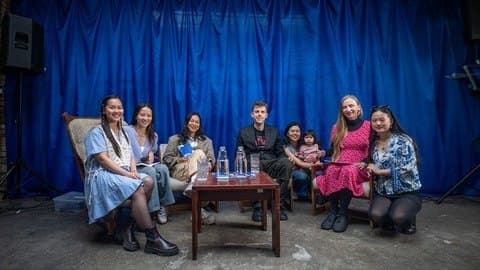
How is the role of women changing in Vietnamese society? A discussion about identity, expectations and women’s strength from the side programme of The Ceramic Heart exhibition.
Vietnamese people in the Czech Republic: migration, family and two cultures
Dan Le, Mgr. Jiří Kocourek
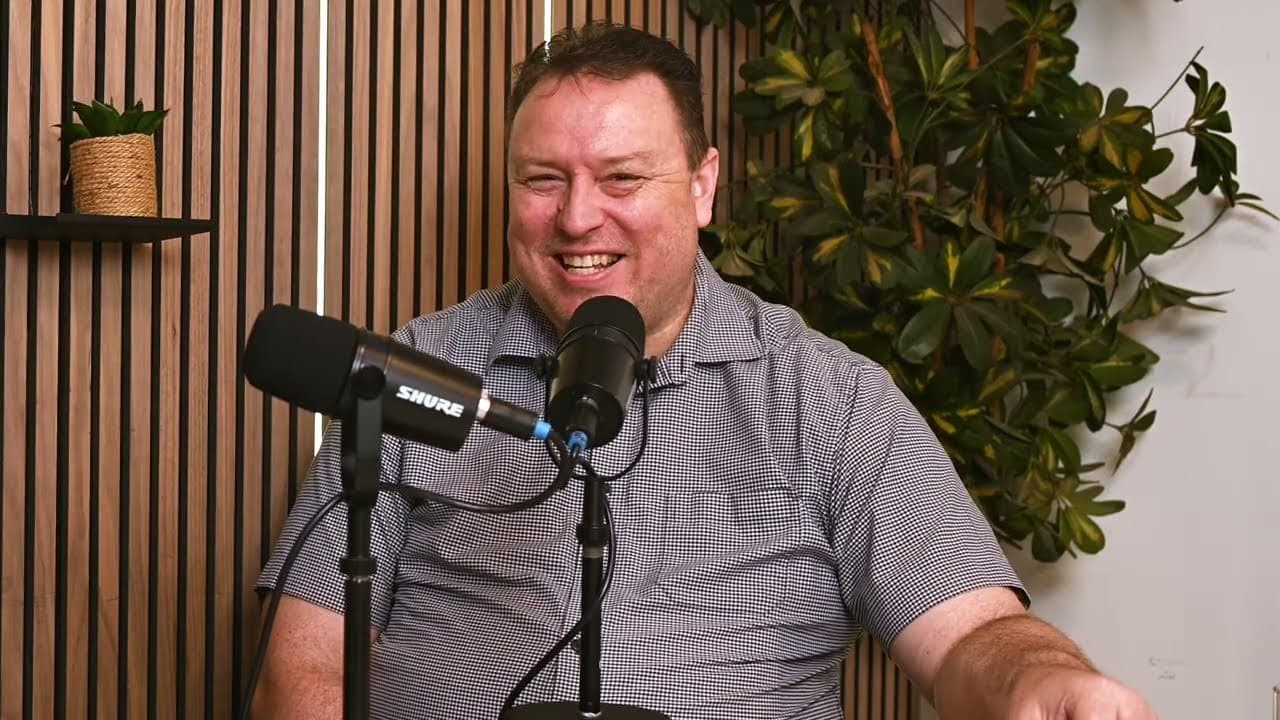
Sociologist and Vietnamese studies specialist Jiří Kocourek on the history and present of the Vietnamese minority in Czechia, relations between generations and life between two cultures.